
Last updated: 15 October 2026
Upbeat Restoration provides water damage restoration for homes in Sandy Springs, Georgia. The crew removes standing water, dries wet structure and contents, and repairs what the water ruined. Emergency calls are answered 24 hours a day, 7 days a week at (404) 495-3899, and the on-site estimate is free.
What’s included with water damage restoration
- Finding the source of the water and confirming it has been stopped.
- Mapping which floors, walls, ceilings and cabinets are wet with moisture meters.
- Pumping or extracting standing water from floors and carpet.
- Removing materials that cannot be dried, such as soaked drywall, padding and insulation.
- Setting air movers and dehumidifiers and checking readings until the structure is dry.
- Cleaning and deodorizing affected rooms and salvageable belongings.
- Photos and written notes of the damage that a homeowner can share with an insurer.
- Repairs and rebuilding of the surfaces that were removed.
Water damage is a broad term for the loss of strength, shape or cleanliness in a building after water gets where it should not be. Background is in the water damage article on Wikipedia.
Still weighing your options? Call (404) 495-3899 for a straight answer.
Where household water losses start
Most losses begin inside the house. A burst or pinhole pipe can soak a wall cavity for hours before anyone sees a stain. A failed supply line on a washing machine, a leaking dishwasher hose, a cracked toilet tank or an overflowing water heater can send water across a floor and into the room below. Slow leaks show up as bubbling paint, a soft baseboard or a musty closet.
Water is classed by how clean it was when it arrived. Water that comes from a sewer backup or from outside flooding is treated as unsafe from the start, and the crew handles it differently.
Storm water and creek flooding in Sandy Springs
Sandy Springs has a humid subtropical climate with about 51.82 inches of rain a year, and March is the wettest month at 5.52 inches. Heavy storms can push water through foundation walls, windows and low doors. The city sits beside the Chattahoochee River, and Marsh Creek and Nancy Creek run through it. In September 2009 both creeks flooded, bridges were closed and nearly 100 people were evacuated. The city also lists the Marsh Creek Rain Garden among its stormwater projects.
Flood water is never treated as clean water. If a home has taken in creek or storm water, the crew treats the loss as contaminated, and porous materials that touched it are usually removed rather than dried.
Ready for a practical answer? Call (404) 495-3899 to discuss your project.
What to do before help arrives
A few steps limit the damage while the crew is on the way. Shut off the main water valve if a pipe or appliance is the source. If water is near outlets or the ceiling is sagging, turn off power to that area at the breaker, and stay out of the room if the floor is wet near live wiring. Move small items and electronics to dry ground.
Take photos and short videos of every wet area before anything is moved, and keep damaged items that are safe to hold. Do not run a household vacuum on standing water.
Drying a house versus restoring it, and the 24 to 48 hour window
People often ask whether remediation and restoration are the same thing. In practice, the first stage is drying and removal: getting water out, tearing out what cannot be saved and bringing the structure back to normal moisture levels. The second stage is putting the house back together with new drywall, flooring, paint and trim. A water damage job often includes both, and the line between them is the point where the readings show the framing is dry.
Skipping the drying stage is how hidden damage gets sealed inside a wall. Mold can begin to grow on damp materials within roughly 24 to 48 hours, which is why a wet area should be opened and dried quickly. If mold is already present, the job moves into the mold remediation service, which has its own containment and cleaning steps.
Questions about your specific surface or budget? Call (404) 495-3899 — no obligation.
Insurance and documenting a water loss
Upbeat Restoration helps homeowners document damage for insurance claims. That means dated photos, notes on what was wet and what was removed, and drying readings kept for the file. The business does not decide a claim and cannot promise what an insurer will pay. A homeowner should read the policy, report the loss promptly and keep every record in one place.
Not sure which option fits your situation? Call (404) 495-3899 and talk it through with a contractor.
How a water loss job usually proceeds
Finding the source and the wet areas
The crew starts by stopping or confirming the end of the leak, then checks floors, walls and ceilings with moisture meters. Every wet area is noted so the drying plan covers it.
Pulling out standing water and wet materials
Standing water is extracted first. Soaked carpet padding, wet insulation and drywall that has lost its strength are cut out and bagged. Salvageable carpet and flooring may be lifted so air can reach the subfloor.
Running air movers and dehumidifiers
Fans and dehumidifiers are placed to move moist air out of the structure. The crew returns to take readings and adjust the equipment, and the drying stays in place until the readings match a dry reference.
Rebuilding the rooms that were opened
Once the framing is dry, the rooms are cleaned and the removed surfaces are replaced. Drywall, flooring, trim and paint are put back so the house is ready to use again.
To talk through a water problem in your home, call (404) 495-3899 any hour.
Problems that sit next to water damage
Water seldom travels alone. These pages cover problems that often follow it.
Water damage restoration across the wider area
Upbeat Restoration is locally owned and operated, licensed and insured, and the business is IICRC-certified. Licensing can be checked through the Georgia Secretary of State licensee search. The team does water damage restoration in Sandy Springs. If you are unsure your address is covered, call (404) 495-3899 or visit the contact page.
Still weighing your options? Call (404) 495-3899 for a straight answer.
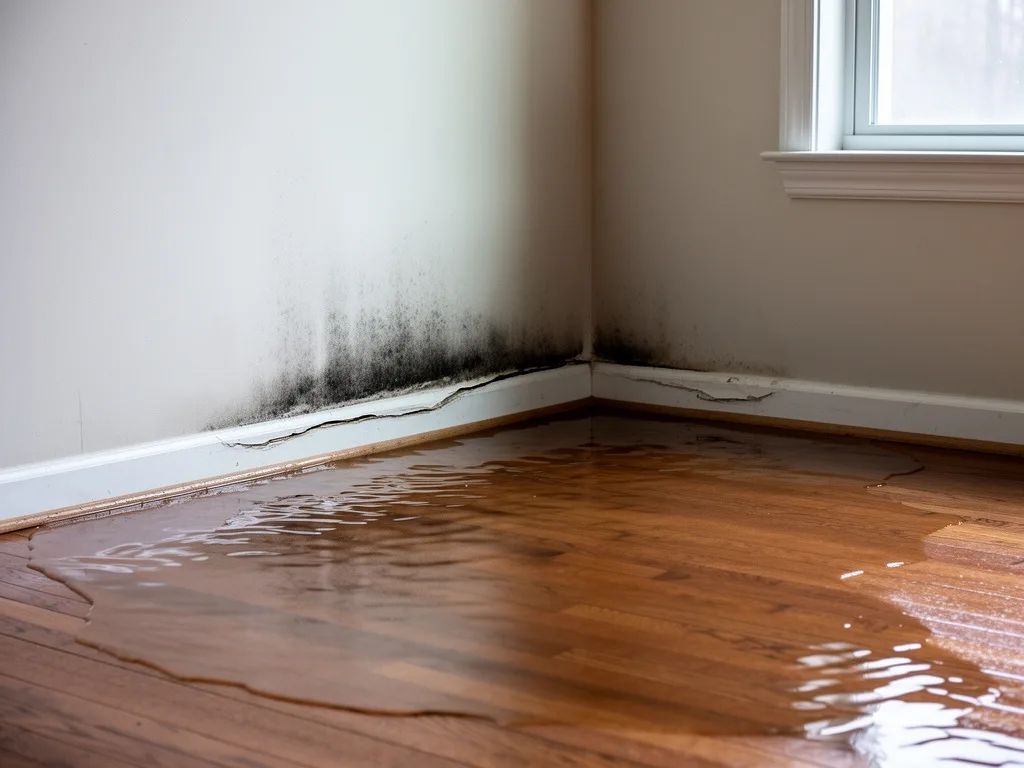
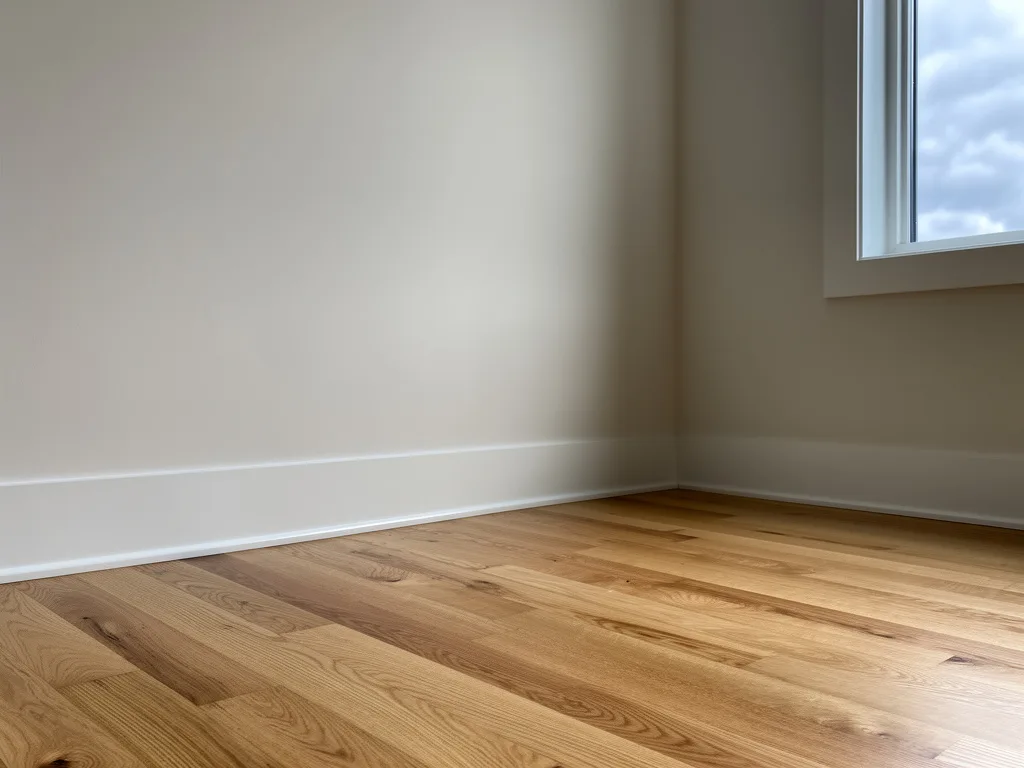
Water Damage Restoration in pictures: before and after
Water Damage Restoration Sandy Springs: common questions
What is the difference between water damage remediation and restoration?
Remediation usually means the removal and drying stage: extracting water, taking out unsalvageable materials and drying the structure. Restoration is the repair stage that follows, such as new drywall, flooring and paint. Many water jobs include both.
How long does restoration take after water damage?
Drying commonly takes several days, and the time depends on how much water got in and what it soaked. Rebuilding is scheduled after readings show the structure is dry. The on-site estimate gives a plan for the specific home.
Can water damage be restored?
Often yes, if the water is stopped and drying starts quickly. Materials such as soaked drywall, padding and insulation are usually replaced, while framing and many floors can be dried and kept.
What does a free on-site estimate for water damage cover?
The crew looks at the source, measures moisture in the affected rooms and explains which materials can be dried and which must be removed. The visit is free, and the estimate is based on what is found in the home.