
Last updated: 15 October 2026
Upbeat Restoration provides mold remediation for homes in Sandy Springs, Georgia: finding where mold is growing, sealing off the area, removing the affected material and fixing the moisture that fed it. For an emergency or a first look, call (404) 495-3899, any hour of the day or night.
What’s included in mold remediation
- An inspection of the visible damage and the likely hidden areas, such as wall cavities, the space under floors and the area around plumbing.
- Finding the moisture source, whether a leak, a wet crawl space, a roof problem or poor airflow.
- Containment with plastic sheeting and controlled airflow so spores are not carried into clean rooms.
- Removal of porous materials that cannot be cleaned, such as soaked drywall, insulation and carpet padding.
- Cleaning of solid surfaces like framing, using HEPA vacuums and damp wiping.
- Drying of the structure until moisture readings return to a normal range.
- Written notes and photos of the damage that a homeowner can pass to an insurance company.
Mold is a type of fungus that grows wherever there is moisture and something to feed on; the background is covered in the general overview of mold as a fungus.
Remediation versus removal: what the words mean
People often ask whether mold cleanup and mold remediation are different. In everyday use the terms overlap, but remediation is the wider job. Removal is taking mold-damaged material out. Remediation also covers the steps around it: containing the area, correcting the moisture problem, drying, and checking that the space is dry and clean when the work ends.
The reason for the wider scope is simple. Mold that is wiped away but left in a damp space tends to return. A job that skips the moisture fix is only half finished.
Still weighing your options? Call (404) 495-3899 for a straight answer.
Why the moisture has to be fixed first
Mold needs water. A dripping supply line, a failed seal around a tub, a wet crawl space or a roof leak keeps materials damp enough for growth to continue. Cleaning the surface while the source keeps running only resets the clock.
That is why the first visit is about finding water, not only looking at stains. Moisture meters and a walk through the house, from attic to crawl space, show where the dampness is and how far it has spread. Water that has already caused damage may need a separate job, and the page on water damage restoration explained covers that side.
Signs of mold you cannot see
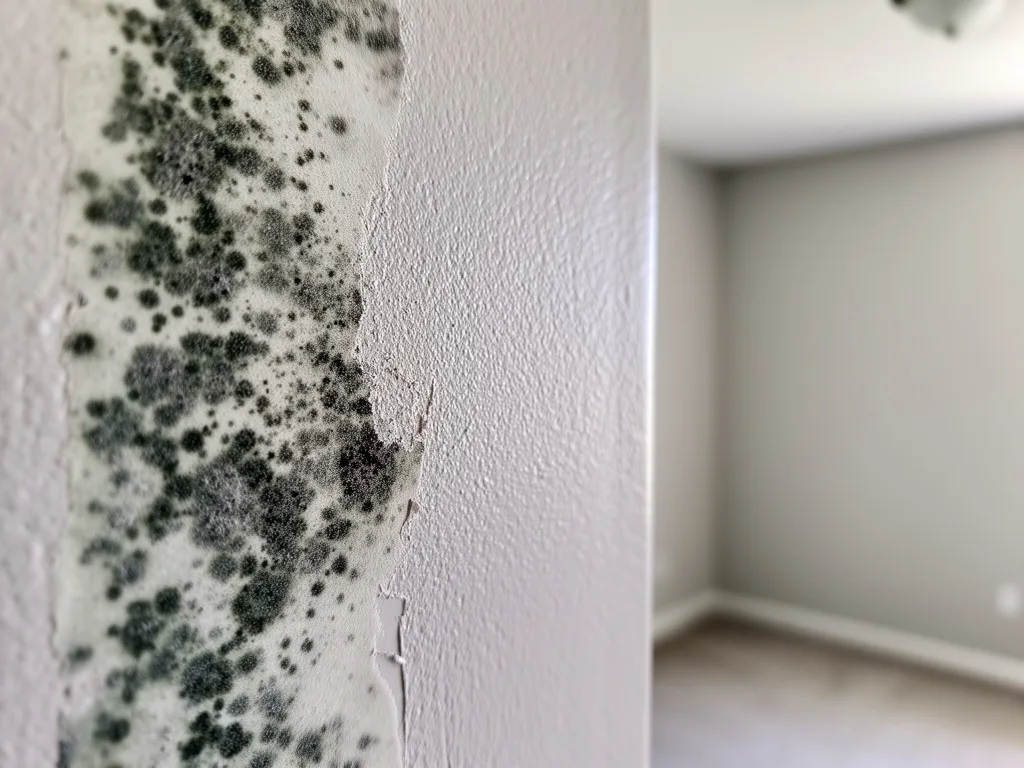
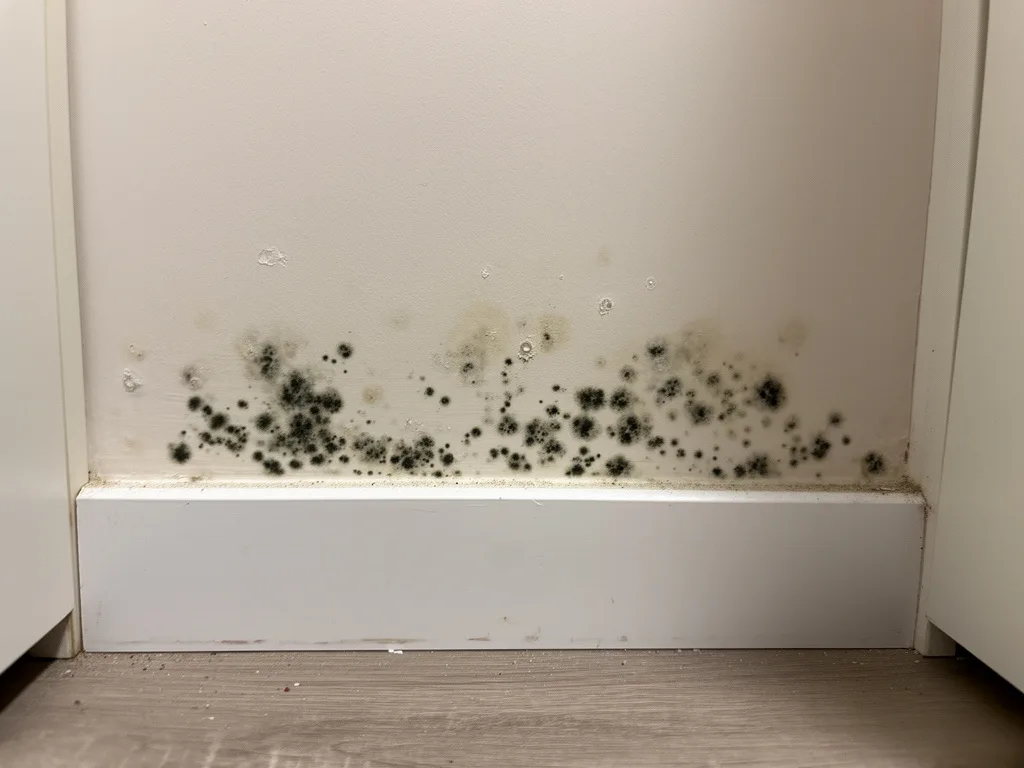
Mold does not always show itself. A musty smell that returns after cleaning, paint that bubbles or peels, warped baseboards, staining on a ceiling and walls that feel damp are all reasons to look further. Homeowners also notice mold behind furniture, under sinks and inside closets on exterior walls.
A photo alone cannot tell anyone what a dark patch is. Dirt, old adhesive and mold can look alike. The safer step is to keep the area dry, avoid disturbing it, and have it looked at in person.
The CDC states that mold of any type should be removed, and that it does not recommend routine testing for mold; see the CDC overview of mold and health. For that reason, a lab test is not a condition for starting a cleanup.
Ready for a practical answer? Call (404) 495-3899 to discuss your project.
Insurance paperwork for mold damage
Many homeowners wonder how a claim works when mold follows water damage. Coverage depends entirely on the policy and the cause, and Upbeat Restoration does not promise any claim outcome. What the team does is help homeowners document the damage with dated photos, moisture readings and written notes, which gives the insurance company clear material to review. Keep damaged items until the adjuster has seen them, if it is safe to do so.
Sandy Springs weather and mold
Sandy Springs has a humid subtropical climate, with about 51.82 inches of rain a year and March the wettest month at 5.52 inches. Warm, damp air gives mold an easy start in crawl spaces, basements and rooms with weak ventilation. Heavy rain adds pressure on gutters, grading and foundations. The area also remembers the September 2009 flood along Marsh Creek and Nancy Creek, a reminder of how fast water can reach a house. Homes built during the boom that followed GA 400 and I-285 in the early 1960s are old enough that original seals, pipes and roofs may be worn.
Questions about your specific surface or budget? Call (404) 495-3899 — no obligation.
How a mold job proceeds from inspection to dry-out
Inspection and moisture mapping
The crew walks the house, checks readings in walls and floors, and marks the wet and affected areas. The visit ends with a clear explanation of what was found and a free on-site estimate.
Containment and air control
Plastic barriers go up around the work area, and fans create negative pressure so air flows into the area rather than out of it. Air scrubbers with HEPA filters capture airborne particles during the work.
Removal and cleaning
Damaged drywall, insulation or flooring is cut out, bagged and carried out in sealed containers. Framing and other solid surfaces are cleaned with HEPA vacuums and damp wiping.
Drying and final check
Dehumidifiers and air movers dry the structure until readings are back in a normal range. The team then walks the area with the homeowner and explains what was done and what to watch.
Questions about a smell, a stain or a damp spot? Call (404) 495-3899 and describe what you see.
Neighbouring problems that often come with mold
Mold remediation across the wider area
The team works in Sandy Springs. If you are unsure your address is covered, call (404) 495-3899 or visit the contact page.
Not sure which option fits your situation? Call (404) 495-3899 and talk it through with a contractor.
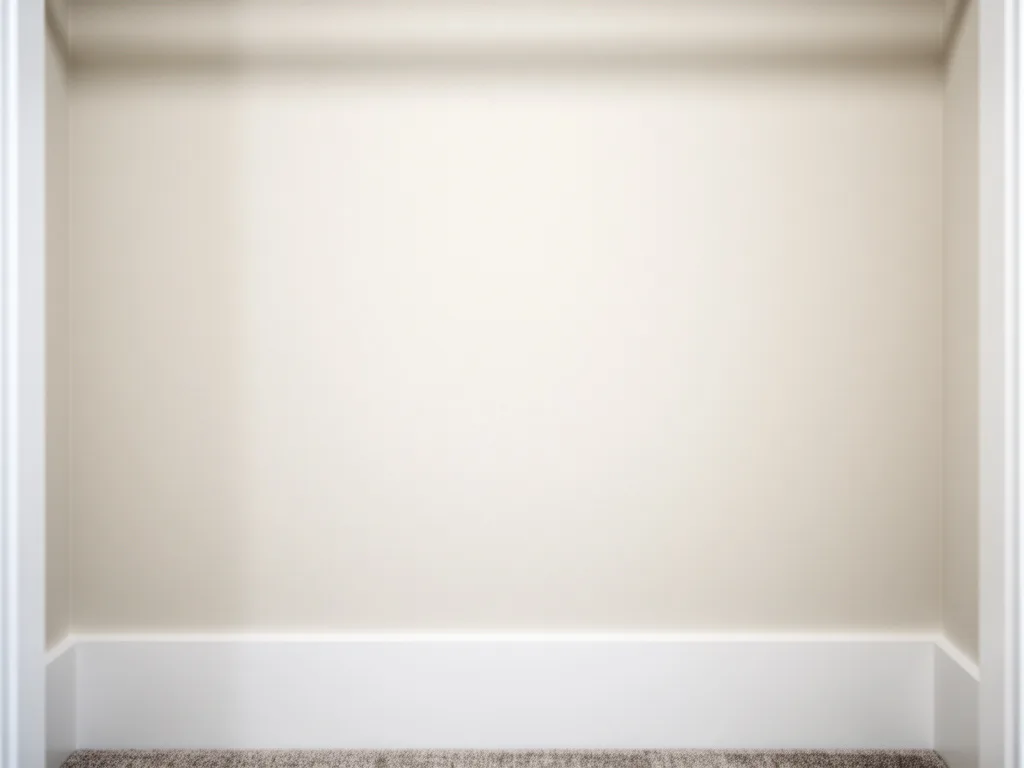
Mold Remediation: before and after
Mold Remediation Sandy Springs: what people ask
How much does mold remediation typically cost?
The cost depends on how large the affected area is, what materials are damaged and how much drying is needed. Upbeat Restoration offers a free on-site estimate so a homeowner sees the scope before agreeing to work.
What kills 100% of mold?
No single claim holds for every surface and every situation. Mold stays away only when the moisture feeding it is corrected, which is why remediation starts with finding and fixing the water source and then removing affected material.
Is a dark spot on my wall mold?
A photo cannot say for certain, because dirt, old adhesive and mold can look alike. Keep the area dry, avoid disturbing it, and have it checked in person; the CDC says mold of any type should be removed.
What does a past mold repair tell me when buying a house?
It shows that mold was found at some point, but not whether the moisture source was fixed. Ask for any written records, and look for damp areas, odors and staining in crawl spaces and under sinks.