
Last updated: 15 October 2026
Upbeat Restoration provides fire damage restoration for homes in Sandy Springs, Georgia. The work covers the charred areas and also the soot, smoke odor and water that spread through the rest of the house. The team answers emergency calls at (404) 495-3899, 24 hours a day, 7 days a week.
What’s included with fire damage restoration
- Safety check of the rooms, with unsafe or sealed-off areas marked before anyone goes in.
- Removal of standing water and wet debris left by hoses and sprinklers.
- Dry cleaning and wet cleaning of soot from walls, ceilings, cabinets and hard surfaces.
- Odor treatment, including air scrubbing and sealing of surfaces that hold smoke.
- Sorting of contents into items that can be cleaned and items that must be replaced.
- Controlled removal of burned or soaked drywall, insulation and flooring.
- Drying and moisture readings once the water is out.
- Photos and written notes that help a homeowner document the loss for an insurer.
A house fire is a type of structure fire, and the damage it leaves goes well beyond what the flames touched. Heat, smoke and the water used to put the fire out each harm a home in a different way, so the cleanup has to deal with all three.
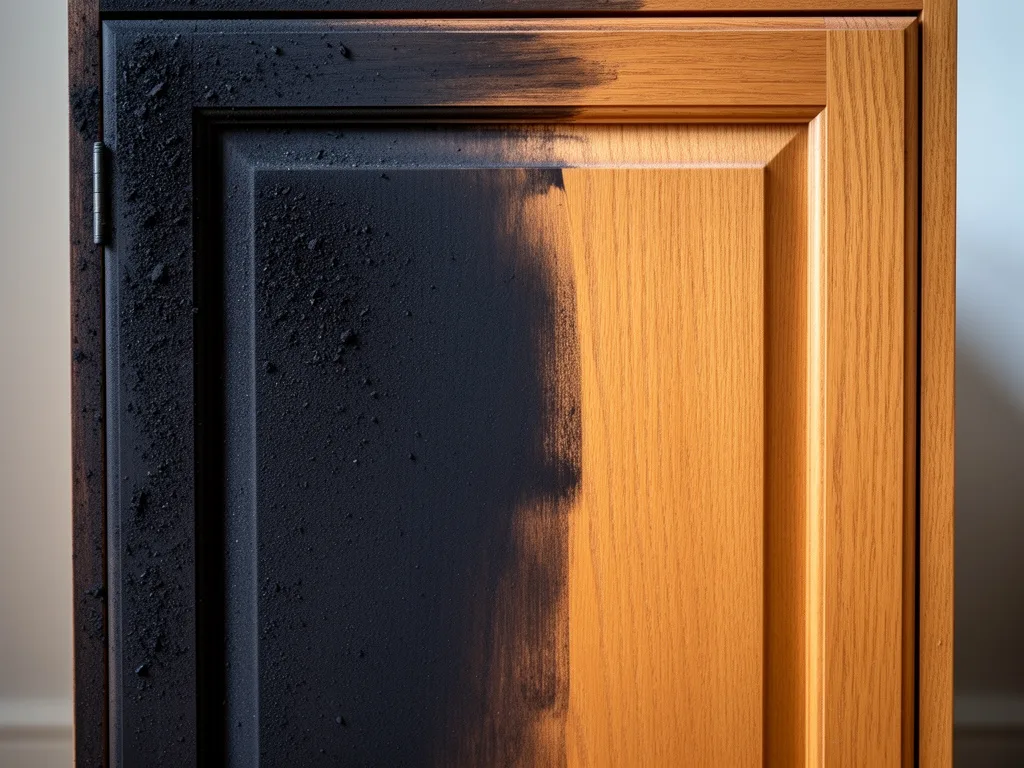
Soot and smoke residue on walls, ceilings and cabinets
Soot is a fine, oily dust. It settles on ceilings first, then drifts down to walls, shelves and the insides of cabinets, often in rooms far from the fire. Wiping it with a wet rag usually smears it deeper into paint and wood. Dry soot from a fast-burning fire lifts off with dry cleaning sponges and careful vacuuming. Greasy, sticky residue from slow, smoldering burns needs a wet cleaning agent matched to the surface.
Porous materials are harder. Unfinished wood, popcorn ceilings and bare drywall can hold residue after cleaning, and the team may recommend sealing or replacing them. Sandy Springs had a housing boom after GA 400 and I-285 opened up the area in the early 1960s, and a home from that era may have older finishes that clean differently from newer ones.
Not sure which option fits your situation? Call (404) 495-3899 and talk it through with a contractor.
Why the smell lingers after the smoke clears
Smoke odor comes from tiny particles, not just from the air. They sink into carpet, upholstery, insulation and the cavities inside walls. Opening windows helps a little, but the smell often returns on humid days. Lasting odor control means removing the source particles first, then treating the air and surfaces. Fragrance sprays only cover the smell for a short time.
Water left behind by firefighting
Fire hoses and sprinklers can put hundreds of gallons into a house. That water soaks drywall, floors and insulation, and it runs down through ceilings into rooms below. Wet materials can begin to grow mold within a couple of days, which is why the water side of a fire loss is urgent too. The drying steps are the same ones used for any flood loss: see the water damage restoration page.
Still weighing your options? Call (404) 495-3899 for a straight answer.
What is safe to touch and what is not
Before the fire department releases the house, follow their instructions about re-entry. Afterward, treat the home as unsafe until it has been checked. Avoid turning on electrical switches or appliances that got wet, and do not eat food that sat near heat, smoke or soot. Stay out of rooms with sagging ceilings or weakened floors. Wear gloves and a mask if a short entry is unavoidable, and leave soot-covered surfaces alone so they are not rubbed in.
After the fire department leaves
Call the insurance company, then call for restoration help. If the house has no power or the doors will not lock, ask the fire department or the team about boarding up openings. Take photos of every room before anything is moved. Keep receipts for hotel stays and replacement items. Upbeat Restoration helps homeowners document damage for insurance claims, but it cannot promise what an insurer will cover. Licensing can be checked on the Georgia Secretary of State licensee search, and the business is IICRC-certified and insured.
Ready for a practical answer? Call (404) 495-3899 to discuss your project.
Sorting what can be cleaned from what must go
Hard goods such as glass, metal and ceramic usually clean up well. Clothing and fabrics may be laundered or professionally cleaned. Items with heavy char, melted plastic, or porous surfaces soaked in smoke and water are often replaced. Food, medicine and cosmetics exposed to heat or smoke are thrown out. A written list with photos makes the insurance conversation much easier.
How a fire cleanup job typically runs
Free on-site estimate and safety walk-through
The crew visits the house, checks which areas are safe, and looks at how far soot, odor and water have spread. The estimate is free, and the homeowner gets a plain explanation of the scope.
Water removal and debris clearing
Standing water goes first, followed by wet and burned debris. Damaged drywall or insulation that cannot be saved is cut out so drying can begin and mold has less to feed on.
Soot cleaning and odor treatment
Surfaces are cleaned in the order that keeps soot from spreading, from ceilings down to floors. Air scrubbers and surface treatments then work on the smell.
Contents sorting and final check
Salvageable belongings are cleaned and the rest are listed for replacement. The crew checks moisture readings and odor before the rooms are handed back for rebuilding.
Questions about a recent fire can go straight to the team at (404) 495-3899.
Problems that often come with a fire
- see the water damage restoration page
- mold remediation: what it involves
- the crawlspace encapsulation service
Questions about your specific surface or budget? Call (404) 495-3899 — no obligation.
Fire damage restoration across the wider area
Upbeat Restoration works in Sandy Springs. If a homeowner is unsure the address is covered, the number to call is (404) 495-3899 or visit the contact page.
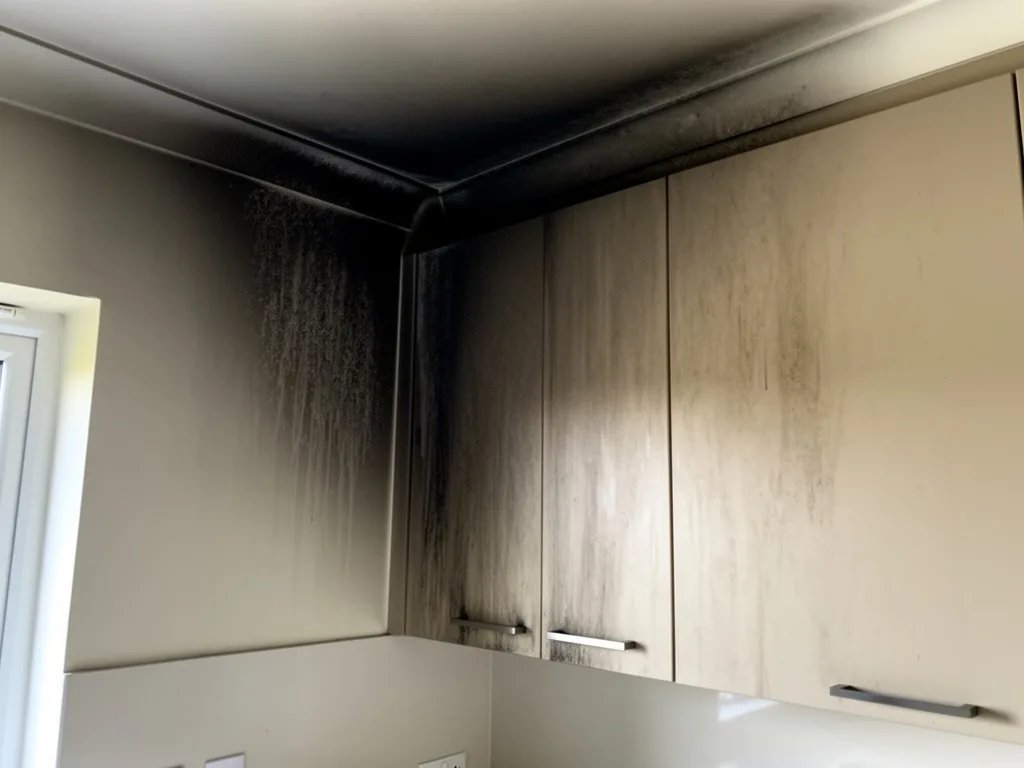
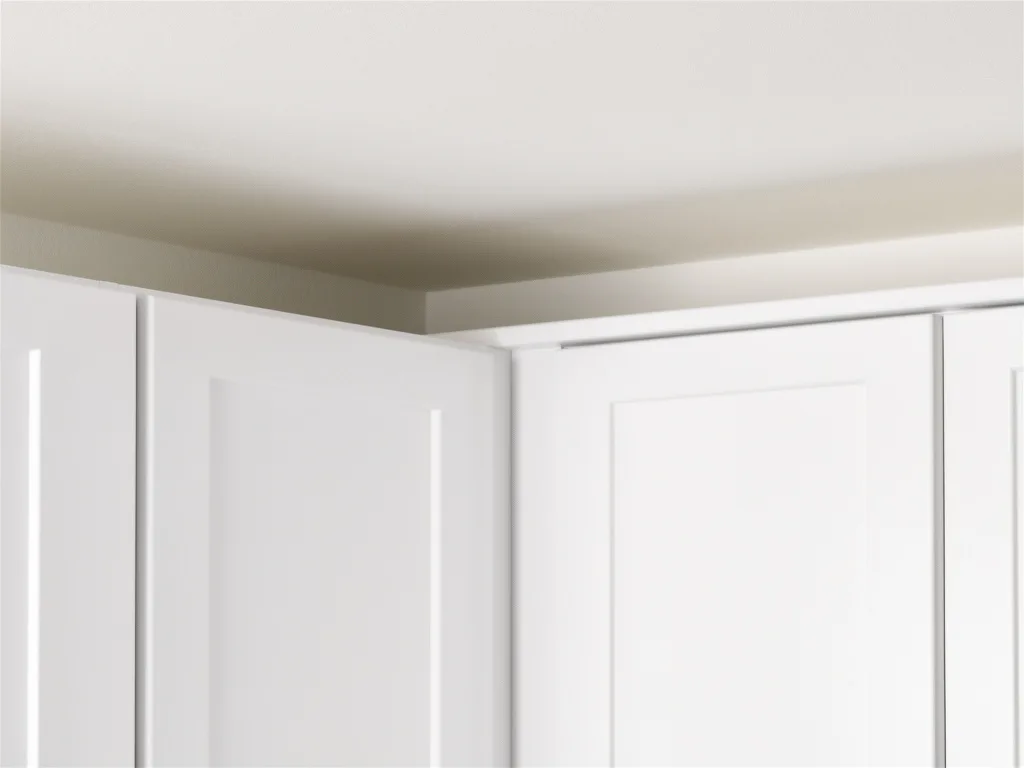
Before and after: Fire Damage Restoration
Fire Damage Restoration Sandy Springs: what people ask
How do you get smoke smell out of a house after a fire?
The source particles in carpet, insulation, walls and furniture have to be cleaned or removed first. Air scrubbing and surface treatments then deal with what is left. Sprays and open windows rarely solve it alone.
Is it safe to stay in a house after a fire?
Not until the fire department has released it and the structure, wiring and air have been checked. Soot, wet materials and weak floors can be hazards even when the damage looks small.
Can clothes and furniture be saved after smoke damage?
Many can. Washable fabrics, hard goods and some upholstery clean up well. Items with heavy char or deep smoke in porous material are often replaced.
What should be documented for a fire insurance claim?
Photos of each room before cleanup, a list of damaged items, and receipts for temporary housing and repairs. The insurer decides what is covered; the business can help record the damage but cannot promise an outcome.